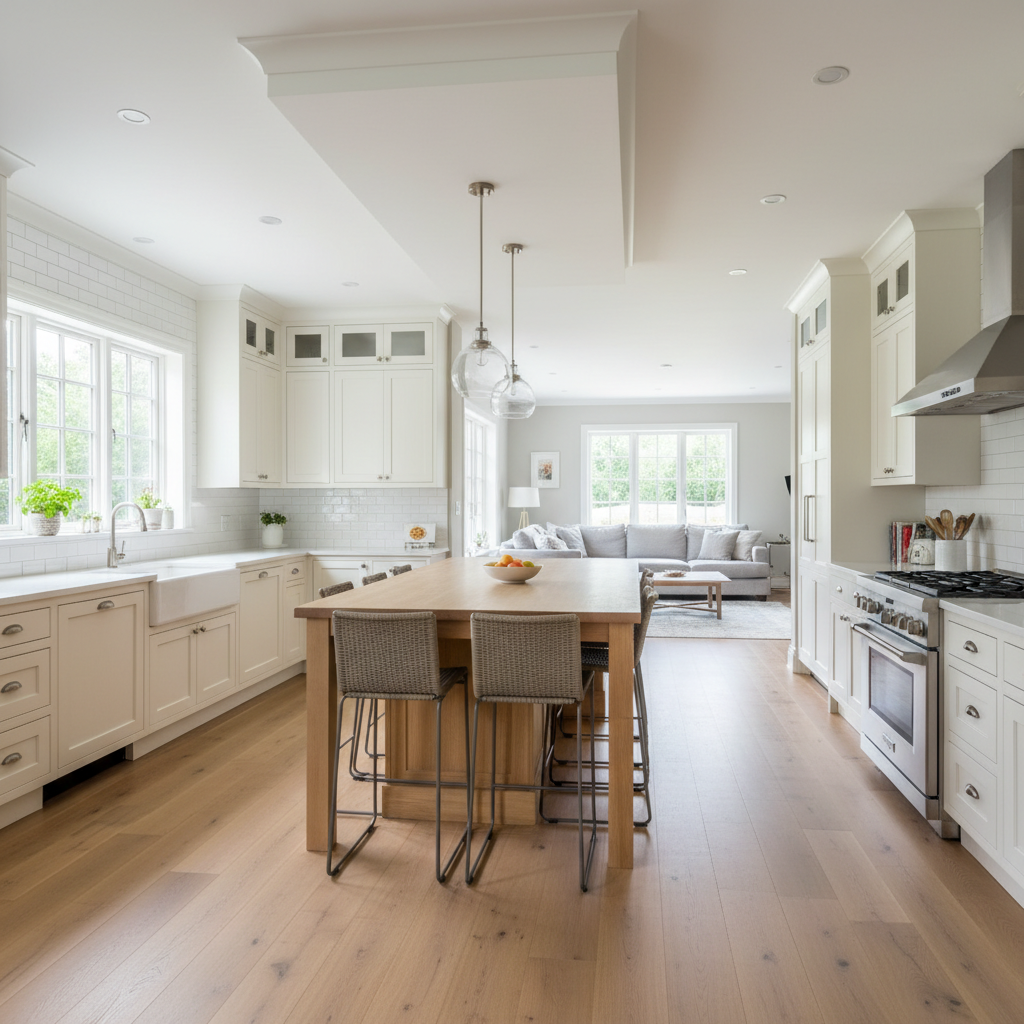
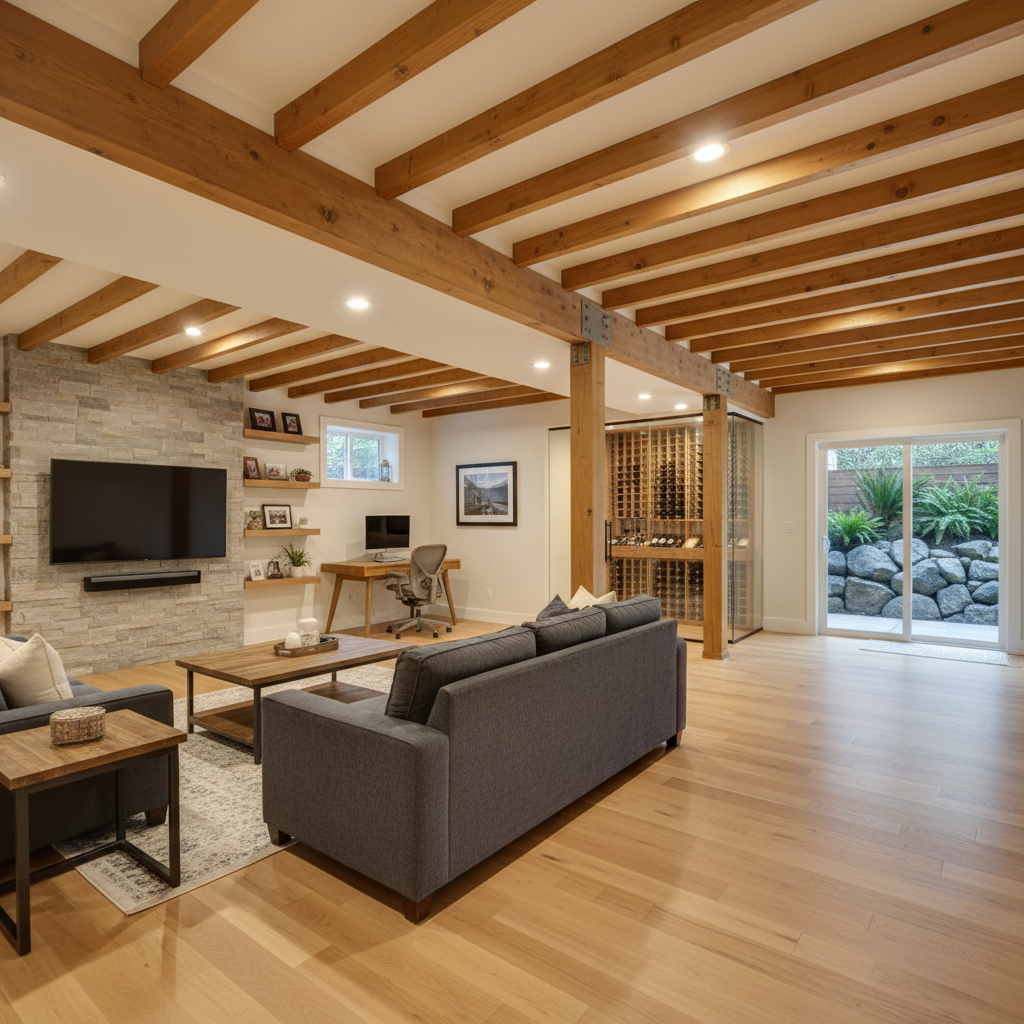
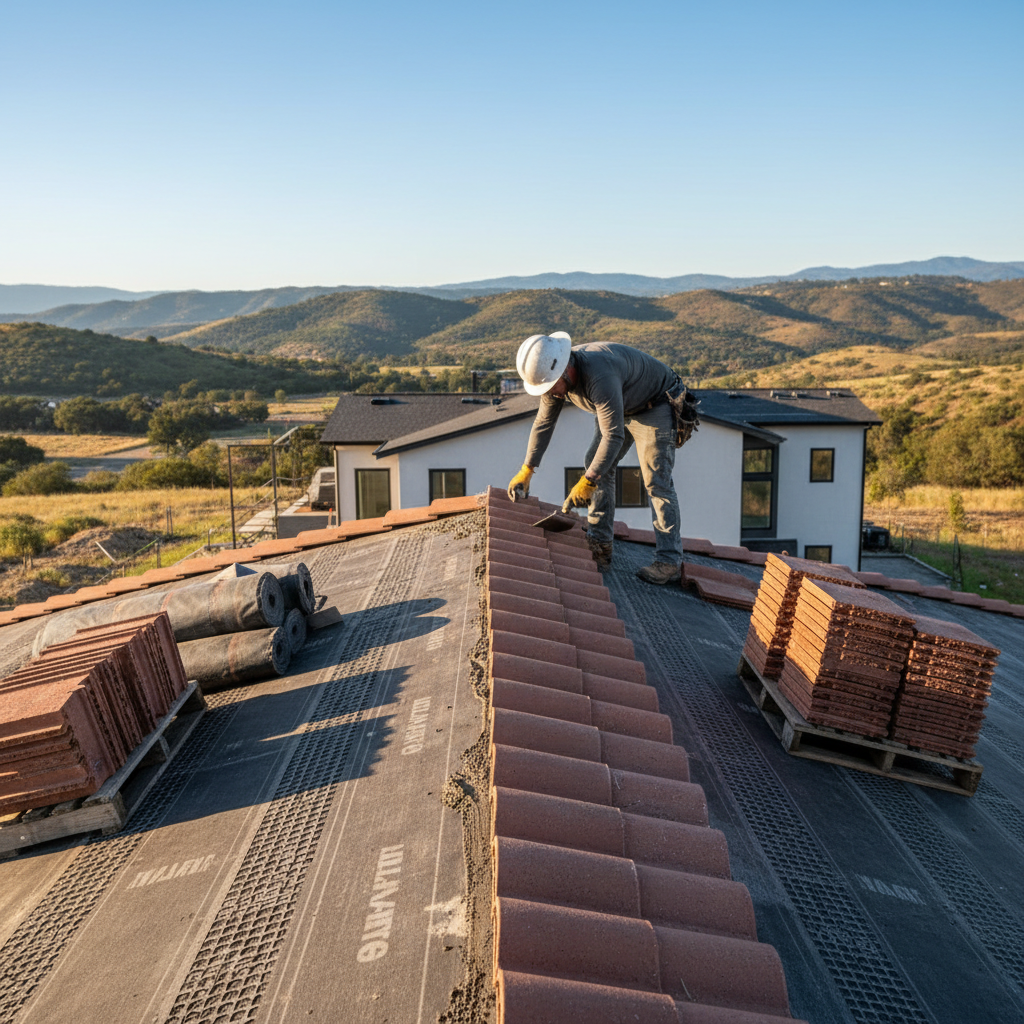
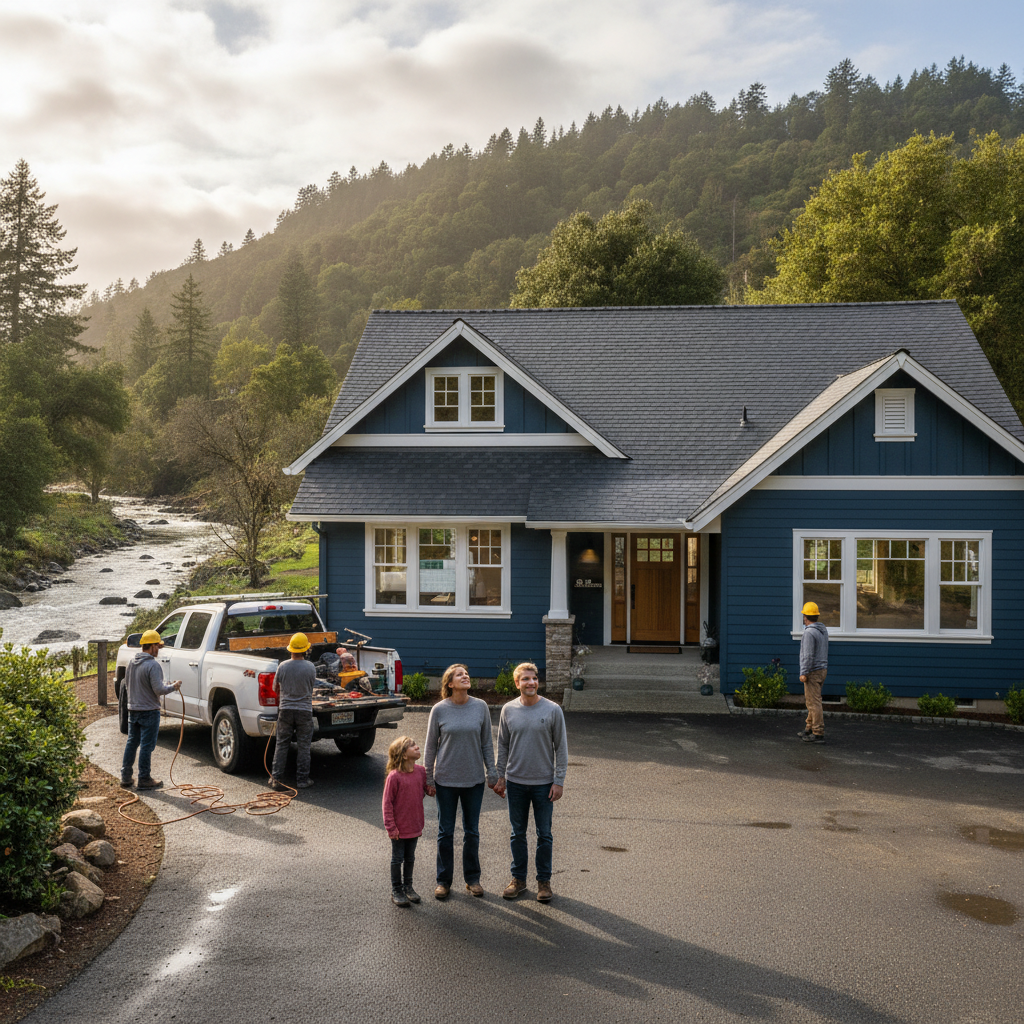
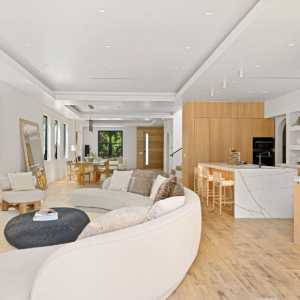
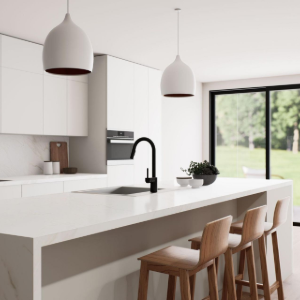
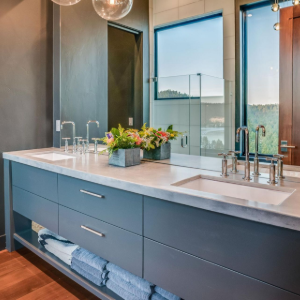
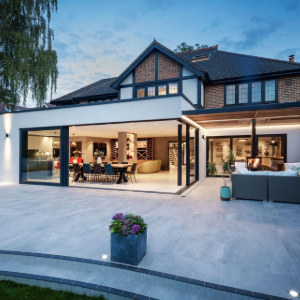
Flooring is one of the most “lived‑on” parts of your home. It affects how rooms feel, how loud they are, how easy they are to clean, and how well your house stands up to kids, pets, and guests. It’s also a major investment, so choosing wisely matters.
At SB Construction, we help homeowners match flooring materials to
how they actually live, not just what looks good in a showroom. Here’s how we think through the options.
Hardwood: Warm, Classic, and Repairable
Pros:
- Timeless look that adds value
- Can be sanded and refinished multiple times
- Warm underfoot and works well with many styles
Cons:
- Sensitive to moisture and standing water
- Can scratch from pet nails and heavy furniture
- Color can fade in strong sunlight
Best for: Main living areas where you want a classic feel and are okay with some patina over time.
Engineered Wood: Stability With a Wood Surface
Pros:
- Real wood veneer over a stable core
- Better performance over concrete slabs than solid hardwood
- Many installation options (nail, glue, float)
Cons:
- Limited number of refinishes (depending on veneer thickness)
- Quality varies by manufacturer
Best for: Homes that want the look of wood with improved stability and slightly lower cost than solid hardwood.
Luxury Vinyl Plank (LVP): Durable and Water‑Resistant
Pros:
- Highly water‑resistant, good for kitchens, some basements, and families with pets
- Very durable wear layers for high‑traffic areas
- Wide range of styles that mimic wood or stone
Cons:
- Not as “authentic” as real wood or stone on close inspection
- Quality varies widely; cheap products can look artificial or wear poorly
Best for: Busy households that prioritize durability and low maintenance over natural materials—especially in kitchens, mudrooms, and play areas.
Tile: Hard‑Wearing and Great for Wet Areas
Pros:
- Extremely durable and water‑resistant
- Ideal for bathrooms, laundry, and some entries
- Many design options, including heated floors under tile
Cons:
- Hard underfoot and colder in winter (unless heated)
- Grout requires maintenance and sealing
- Can be slippery if not properly chosen
Best for: Bathrooms, laundry areas, some kitchens, and anywhere you need maximum water resistance.
Carpet: Soft, Quiet, and Comfortable
Pros:
- Comfortable underfoot and warm
- Good for bedrooms and media rooms where sound absorption is a plus
- More budget‑friendly in many cases
Cons:
- Shows wear and staining more quickly
- Not ideal for allergy sufferers
- Needs more frequent replacement in high‑traffic areas
Best for: Bedrooms, bonus rooms, and spaces where comfort and quiet matter more than longevity.
Mixing Materials Smartly
Most homes benefit from a
mix of flooring types:
- Durable LVP or tile in entries and mudrooms
- Engineered wood or quality LVP in living areas and halls
- Tile in bathrooms and laundry
- Carpet in bedrooms or playrooms
We help you choose color palettes and transition details so everything feels cohesive.
Local Climate and Subfloor Matter
In Northern California, we also consider:
- Slab‑on‑grade vs. raised foundation
- Humidity and temperature swings
- Existing floor heights and transitions
These details affect whether certain products will perform well over time.
If you’re planning a remodel and feel overwhelmed by flooring choices, SB Construction can walk you through real‑world pros and cons, show samples, and help you design a floor plan that looks great and stands up to everyday life.