For many homeowners, the permitting process feels like a black box: you submit something, wait, get feedback, and hope it all works out. Inspections can feel even more mysterious—someone shows up, looks around, and either signs off or doesn’t. In reality, permits and inspections are structured processes with clear goals: safety, code compliance, and consistency.
At SB Construction, we handle permits and inspections regularly. This guide explains what you should expect as a homeowner so you’re not caught off guard.
When Do You Need a Permit?
Each jurisdiction is slightly different, but permits are typically required for:
- Structural changes (moving or adding walls, foundations, framing)
- Electrical, plumbing, and HVAC work beyond minor replacements
- Additions, ADUs, decks, and major remodels
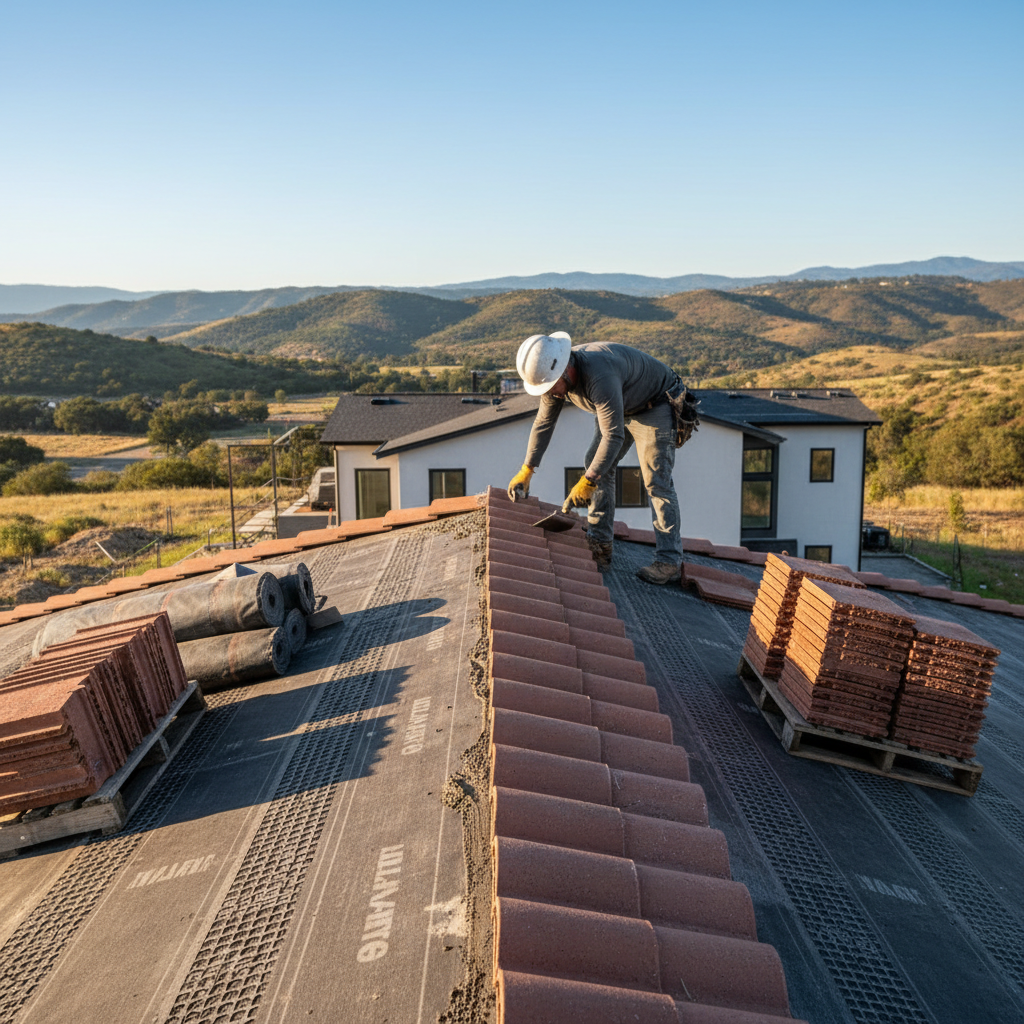
- Roof replacements in many areas
- Window and door changes (especially size or location changes)
Minor cosmetic work (painting, flooring, some fixture swaps) often doesn’t require permits, but always check local rules.
The Plan Review Process
For most significant projects:
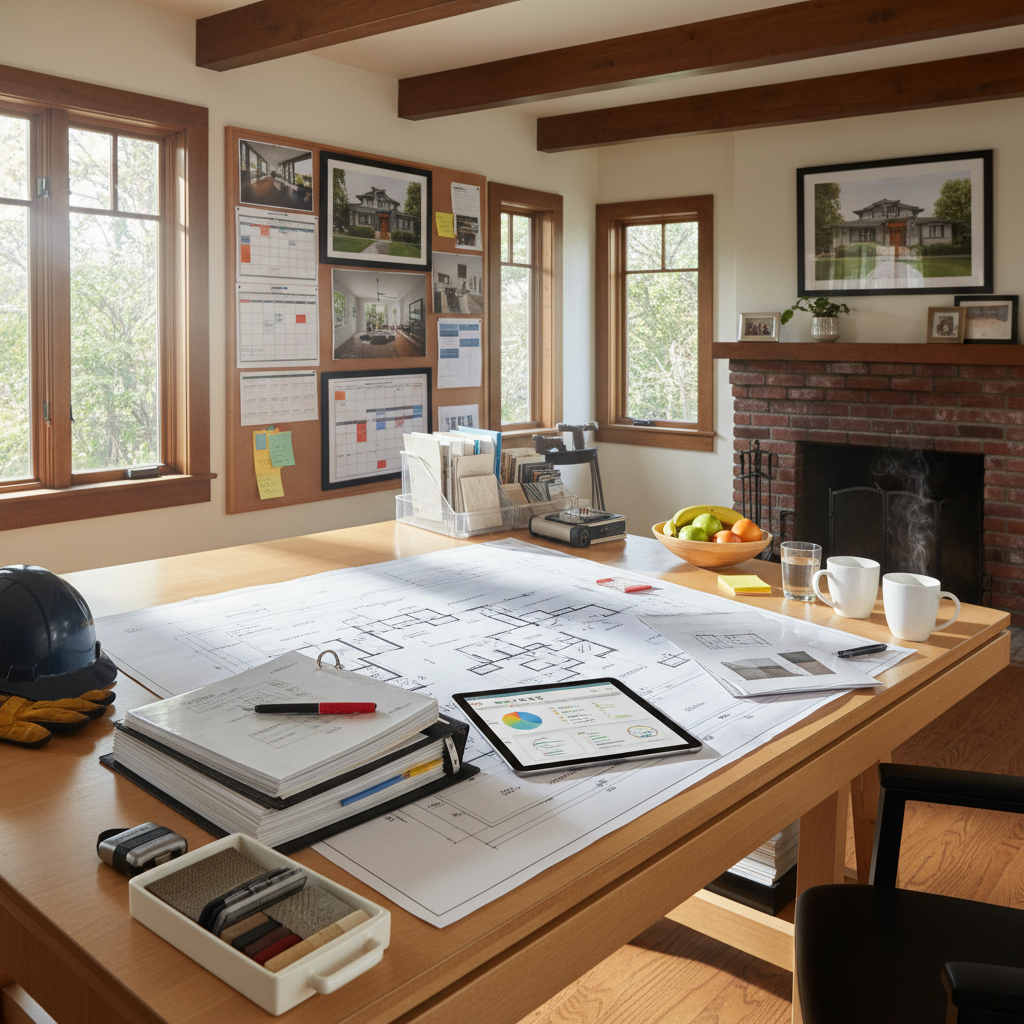
- Plans are prepared by a designer, architect, or sometimes by the contractor (depending on scope and local rules).
- Plans are submitted to the building department with application forms and fees.
- Plan reviewers check for compliance with building codes, zoning, energy codes, and sometimes fire or planning overlays.
- Comments or corrections may be issued, requiring revisions.
- Once satisfied, the jurisdiction issues a
building permit.
Timeframes vary by jurisdiction and project complexity.
Inspections During Construction
Once you have a permit, inspectors will visit at key stages, such as:
- Footing and foundation – before concrete is poured.
- Framing – before insulation and drywall, to review structural work and rough utilities.
- Rough electrical, plumbing, and mechanical – before walls are closed.
- Insulation – in some jurisdictions.
- Final inspection – when the project is complete.
Some smaller projects may only require one or two inspections; larger ones may have several.
What Inspectors Are Looking For
Inspectors focus on:
- Compliance with current building codes
- Safety of structural, electrical, plumbing, and mechanical work
- Proper materials, clearances, and installation practices
They are not there to:
- Judge your design choices or aesthetics
- Manage your contract or pricing
- Act as your project manager
Their role is code compliance and safety.
Pass, Fail, and Corrections
If something doesn’t meet code:
- The inspector will note a
correction or deficiency.
- The contractor addresses the issue.
- The inspector returns to re-check that specific item.
Corrections are common and not necessarily a sign of a bad contractor; they’re part of the process. The key is how quickly and thoroughly corrections are handled.
How Long Does Permitting Take?
Timelines vary widely based on:
- Jurisdiction workload
- Project scope and complexity
- Quality and completeness of the initial plan submission
- Whether planning or zoning reviews are involved (e.g., ADUs, additions in sensitive areas)
We factor expected permitting time into overall project schedules and keep you informed.
Owner-Builder vs. Contractor-Managed Permits
Some homeowners choose to act as “owner-builders,” pulling permits in their own name. Others prefer the contractor to handle permitting. We generally recommend:
- Letting your contractor handle permits for most structural or complex projects.
- Understanding that whoever pulls the permit carries responsibility for code compliance.
We explain the pros and cons clearly if you’re considering different approaches.
How SB Construction Manages Permits and Inspections
- Coordinate with designers and engineers to produce permit-ready plans.
- Submit permit applications and handle back-and-forth with plan reviewers.
- Schedule inspections and meet inspectors on-site.
- Address corrections promptly and transparently.
Our goal is to make permits and inspections feel like a normal, controlled part of the project—not an unpredictable disruption.
Taking the Mystery Out of the Process
Permits and inspections might feel intimidating at first, but they’re there to:
- Keep your project safe and compliant
- Protect future buyers and occupants
- Create a record of properly completed work
If you’re planning a project in Northern California and want a contractor who can handle the permitting and inspection process smoothly, SB Construction can guide you from the first submittal to final sign-off.